Z czego powstaje zagęszczony sok owocowy?
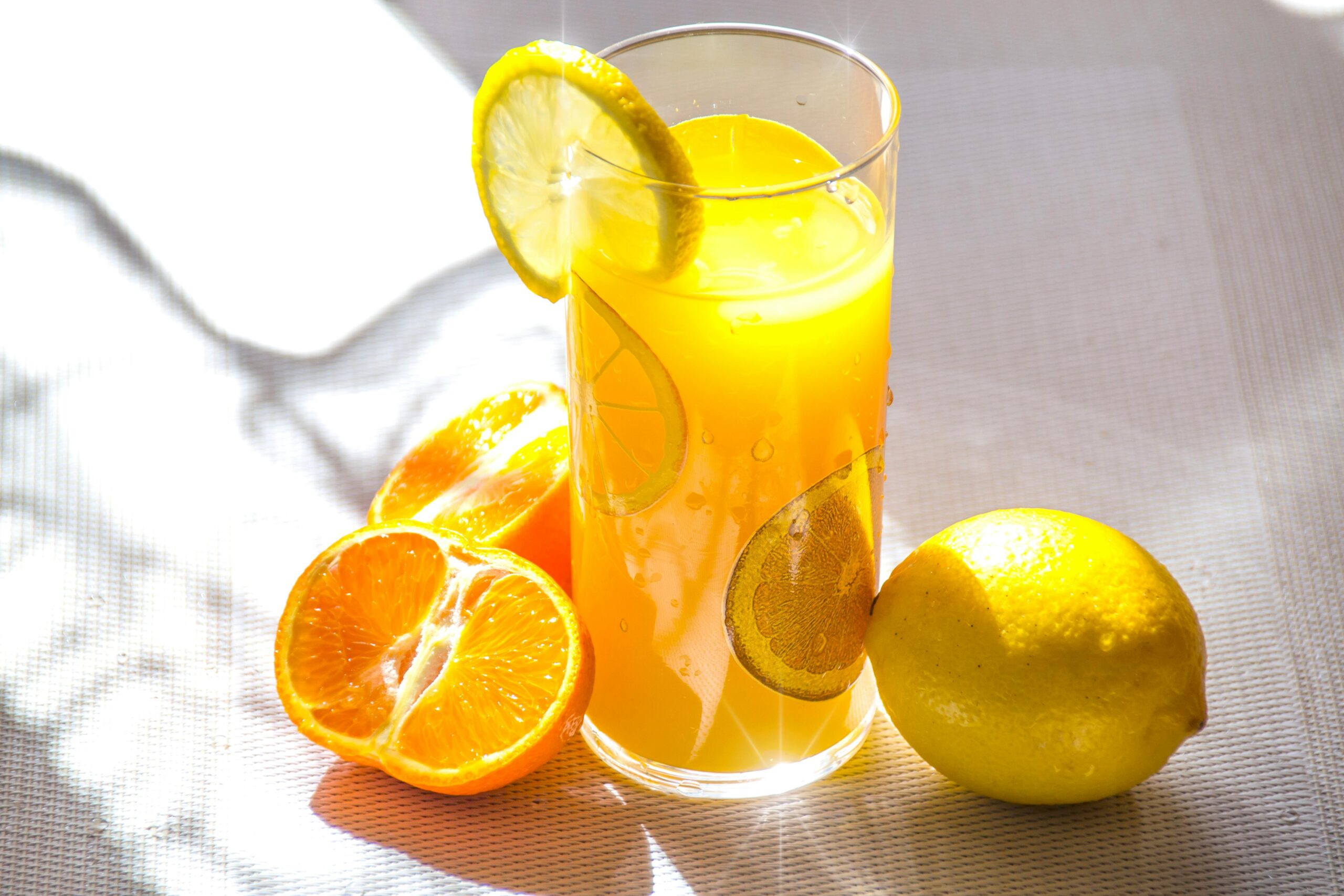
What is concentrated juice made from?
Concentrated fruit juices are a staple in many households and industries across the globe. They offer convenience, variety, and sometimes even cost savings in comparison to freshly squeezed juices. However, have you ever wondered how this everyday product is manufactured? This blog post delves into the intricate world of the manufacturer of concentrated fruit juices, from the ingredients they use to the complex processes involved in creating these versatile liquid products. Understanding this can not only elevate your knowledge of everyday food items, but also help you make informed choices as a consumer.
How do manufacturers source ingredients for concentrated fruit juices?
The journey of concentrated fruit juice begins with sourcing the right ingredients. Manufacturers of concentrated fruit juices seek out quality produce, often working closely with farmers and suppliers worldwide to ensure a steady supply of fruits. The focus is not only on sourcing abundant amounts but selecting the right varieties of fruits that offer the perfect balance of flavor, color, and aroma. The process often involves rigorous quality control checks to ensure the fruits meet their standards and are free of pests and diseases that could affect the final product.
What is the process behind juice concentration?
Once the fruits are sourced, the next step in the manufacturer of concentrated fruit juices is processing. This involves washing the fruits, breaking them down, and then extracting the juice. The concentration process typically involves the removal of water from the juice. This is performed through various methods such as evaporation or reverse osmosis, aiming to create a product that is much denser than the original juice. It’s a delicate process that requires precision to preserve the taste, color, and nutritional value of the juice.
Why do manufacturers choose concentration?
The choice to concentrate fruit juices isn’t just a matter of convenience. Manufacturers of concentrated fruit juices do so primarily for preservation and ease of transportation. By removing water, the volume of the juice reduces significantly, making it cheaper and more efficient to store and transport. Additionally, concentrated fruit juices have a longer shelf life than their non-concentrated counterparts, making them ideal for markets with variable demand and long shipping routes.
How do manufacturers ensure quality and consistency?
Ensuring quality and consistency is paramount in the manufacturing of concentrated fruit juices. Manufacturers employ various techniques such as pasteurization and the addition of preservatives to maintain quality. Moreover, sophisticated technology and operational expertise play crucial roles in maintaining uniformity across batches. Rigorous testing and controls are implemented at every stage, from production to packaging, ensuring that the consumer receives a product that adheres to the highest standards of quality and safety.
What are the environmental impacts of concentrated juice manufacturing?
In recent years, questions about the environmental impact of the manufacturer of concentrated fruit juices have come to the forefront. Operations often require significant amounts of energy, and the sourcing process may affect biodiversity and land usage. However, many manufacturers are increasingly adopting sustainable practices, such as reducing emissions, opting for eco-friendly packaging, and engaging in sustainable sourcing initiatives, to mitigate impact and contribute to global sustainability goals.
In conclusion, understanding the operations behind the manufacturer of concentrated fruit juices provides valuable insight into this everyday product. From the careful sourcing of ingredients to processing and quality maintenance, each step involves detailed planning and execution. As consumers, knowing how concentrated fruit juices make their way from farm to table can enhance our appreciation and influence our purchasing choices. Moreover, it highlights the ongoing efforts towards more sustainable manufacturing processes, ensuring a healthier planet and product for generations to come.